
Responsible gambling tools are useful only when they are clear, accessible and strong enough to support a pause before spending becomes difficult to control. This matters when comparing new online casinos in New Zealand, including Westace, because the available information may describe self-exclusion or assessment features without confirming deposit, loss or session limits. The practical approach is to identify what controls are actually available, understand what they do, and prepare independent support before opening an account. The information at http://www.1playerdad.com should be treated as general guidance rather than proof of any particular operator feature.

Which controls should be visible before you play?
A responsible gambling review should begin with controls, not promotional offers. Look for clearly explained self-exclusion, cooling-off periods, deposit limits, spending limits, loss limits, wager limits, session reminders and reality checks. These tools do different jobs. A deposit limit restricts money added to an account, while a loss limit concerns the amount lost over a defined period. A session reminder may show elapsed time, but it does not necessarily prevent continued play.
Self-exclusion is usually the strongest account-level measure because it is intended to block access for a chosen period or until a specified review point. Before relying on it, check whether it applies immediately, whether it covers every product on the platform, and whether the account can be reopened early. Also establish how a request is made and whether customer support must process it manually. The available information for this operator mentions self-exclusion and a self-assessment tool, but does not confirm a full set of financial or session controls.
Do not treat a responsible gambling statement as evidence that every control is active. A useful checklist is:
- Are the controls described in plain language?
- Can limits be set before depositing?
- Does a reduction take effect immediately, or only after a delay?
- Can limits be increased straight away?
- Is self-exclusion available without negotiating with support?
If the answers are unclear, regard that uncertainty as a material limitation rather than filling the gaps with assumptions.
How can a spending plan prevent impulsive decisions?
A spending plan works best when it is made away from the gambling account. Decide on a maximum amount for a week or month, and treat it as entertainment spending rather than money available for bills, food, rent, transport or debt repayments. Never increase the amount because a previous session ended with a loss. A loss is not a debt that the next game must repay.
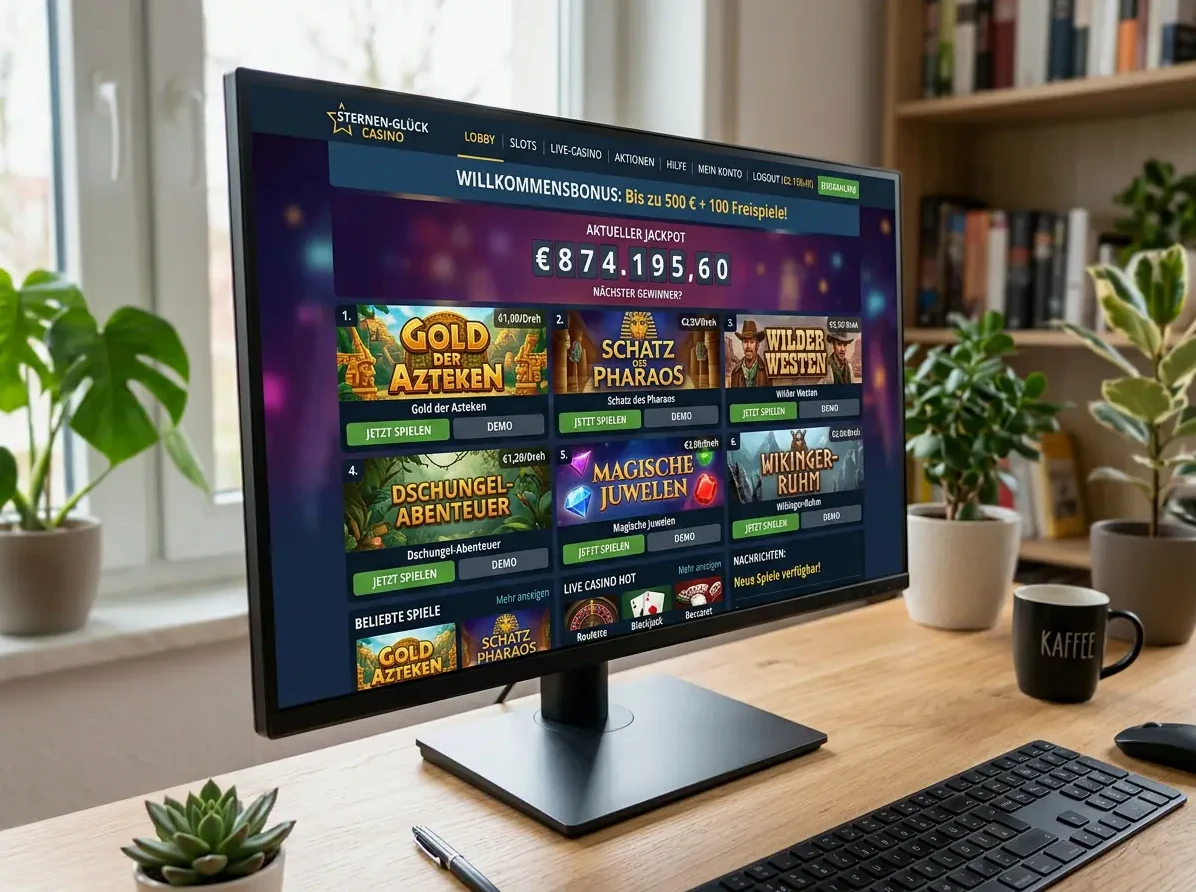
Separate the amount you can afford to lose from the amount you are willing to deposit at one time. A smaller deposit can make overspending less convenient, but it is not a safety guarantee if repeated deposits remain easy. Record deposits, withdrawals and results in a simple note or spreadsheet. Include bonus funds separately, because promotional balances may carry conditions that make their apparent value different from cash.
Time also needs a boundary. Choose a finishing point before playing and avoid sessions when tired, upset, drinking alcohol or trying to solve a financial problem. Set an alarm away from the device, take regular breaks and stop when the planned limit is reached. If the platform does not provide reliable reminders or limits, use independent banking alerts and calendar prompts. These measures cannot remove risk, but they create friction between an impulse and another transaction.
What does the available information fail to confirm?
Online casino descriptions often combine confirmed website details with review-reported observations. Those categories should remain separate. The available material identifies self-exclusion and a self-assessment tool, but it does not confirm deposit, wager, loss or session limits, cool-off periods or reality checks. It also does not establish that every control can be activated directly by the customer.
That distinction matters because a tool may exist in principle without being suitable for a particular situation. A self-assessment questionnaire can encourage reflection, but it is not a clinical diagnosis and does not prevent play. A support agent may accept a self-exclusion request, but the timing and scope should be understood before relying on it. If an account has several products, ask whether one request covers casino games, live tables, sports betting and other sections.
Independent help should remain available even when an operator offers account controls. The Gambling Helpline’s New Zealand support information can provide a separate point of contact for people concerned about their gambling or someone else’s. This is different from operator support: an operator can explain account procedures, while an independent service can help with behaviour, stress and next steps. If gambling is affecting essentials, relationships or safety, seek help rather than waiting for an account tool to solve the problem.
When is self-exclusion the more appropriate choice?
Self-exclusion is worth considering when limits have repeatedly failed, gambling occupies more time than intended, or attempts to stop have led quickly to another deposit. It may also be appropriate when gambling is being hidden, when losses are being chased, or when money intended for necessities is at risk. Choosing it is not an admission of failure; it is a practical barrier designed for a situation in which willpower alone may be unreliable.
Before submitting a request, withdraw no money and do not continue playing to “finish a session”. First, save any relevant account records, read the operator’s stated process and ask whether outstanding transactions affect the timing. Then request the longest exclusion period that feels appropriate. Avoid asking support to shorten it later. If the process is unclear, keep written evidence of the request and note when access should end.
Self-exclusion works better when combined with changes outside the gambling site. Remove saved payment details, block promotional emails, uninstall gambling-related shortcuts and consider banking restrictions if your bank offers them. Tell a trusted person what you have decided so that another person can provide accountability. If several operators are involved, excluding from one account will not address access elsewhere. A broader personal plan may therefore be necessary.
How should you compare operators without being distracted by offers?
Promotions can make a platform appear more attractive while obscuring the safeguards that matter most. Before considering any welcome offer, locate the responsible gambling page, account-control settings and self-exclusion procedure. If those details are difficult to find, incomplete or dependent on contacting support, record that as a concern. A large advertised bonus does not compensate for weak visibility around limits or exclusion.
Terms should also be read as a risk-control exercise. Check whether a promotion requires a minimum deposit, wagering, a maximum stake, an expiry period or particular games. Do not assume a displayed figure is available in New Zealand dollars, applies to every account or can be withdrawn as cash. If the full conditions are unavailable, do not estimate them from another website or a similarly named domain. Uncertainty is a reason to delay, not a reason to deposit first.
Finally, distinguish convenience from protection. Browser access, live support and a broad catalogue may affect usability, but none prevents harmful spending. Ask whether you can set a firm limit before adding money, whether a reduction is immediate, and whether exclusion covers all relevant products. If the answer is no or cannot be confirmed, choose not to proceed. A responsible comparison can end with rejecting an operator rather than selecting one.
Questions readers often ask
Is a self-assessment tool enough to keep gambling safe?
No. A self-assessment can help identify warning signs, but it does not block deposits, end a session or prevent access. Treat the result as a prompt to review spending and seek support. If gambling feels difficult to control, consider self-exclusion and independent help instead of relying on a questionnaire.
Should I use a bonus when I am trying to control spending?
Usually, caution is sensible. A bonus may involve wagering, expiry dates, maximum stakes or restrictions that encourage longer play. It is not free cash and should never be used to justify a larger deposit. If you are already concerned about spending, declining the offer and pausing may be safer.
What should I do if an exclusion request is unclear?
Stop using the account and ask support to confirm the request, its start time, duration and products covered. Keep copies of messages. If access remains available or the response is unsatisfactory, do not deposit while waiting. Contact an independent support service and consider banking or device-level blocks as additional barriers.